Descriptive Text Part 3
🍓 Descriptive Text Part 3 🍓

💕 Historical Buildings 💕


Descriptive text is a type of text that aims to explain or describe a person, animal, place or thing. Generally, what is described is the shape, feature, or nature.
🌟 Generic Structure About Descriptive Text : 🌟

The structure of descriptive text is as follows:
♤ Identification : ♤
identification of the object or thing to be described.
♤ Description : ♤
information on the characteristics of the object, such as psychological characteristics of behavior, physical appearance, and others specifically.
🎋 Linguistic Elements : 🎋
Descriptive text usually uses the following linguistic elements:
●》Noun : a specific noun
for example : my best friend, my dog, Borobudur Temple, and others.
In addition, sometimes also use nouns that get adjectives,
for example : an intelligent student and a big garden.
●》Simple Present Tense :
uses the first form of verbs (verb1) and also verbs that can describe the state of an object or indicate ownership,
for example : my house has 2 living rooms, Sinta is beautiful, and others.
●》Adjective :
adjectives are used to describe objects.
●》Figurative Language : using figurative language such as similes or metaphors as a way of providing comparative illustrations,
for example : My throat is as dry as a dessert.
Her skin is as white as cloud and smooth as water.
🌸 Definition Historical Buildings 🌸
Definition Historical Buildings in the text description is to describe a place based on reality.
🍥 Generic Structure Historical Buildings : 🍥
1. Introduction (Introduction)
This section is the opening of a text, which provides brief information about the name and location of the location that we are going to tell.
Example : what makes the place famous, what makes the place special, and so on.
2. Main Body (Core)
The main body is part of the core of the story that describes the place/building that was told. The essence of this story usually starts from telling the general part, then just tells the specific part so that it will become a conical story.
For example : when we tell about a place, we can start from the overall characteristics of a place such as how the scenery, the buildings, the weather, etc., then refer to the details that specifically explain the previous general explanation.
3. Conclusion (Conclusion)
This conclusion is the conclusion of the author after visiting these places. that describes your feelings, or opinions of these places, you can also provide recommendations for readers who will visit these places.
🌹 Social Function of Descriptive Text :🌹
( Historical Buildings )
The Social Function of Descriptive text ( Historical Buildings ) is to describe a particular place
🎷 Vocabulary that can be used in Historical Buildings : 🎷
• Ancient = Kuno/langka
• Beautiful = Indah
• Charming = Indah
• Exciting = Menyenangkan
• Famous = Terkenal
• Fantastic = Fantastis
• Fascinating = Menarik
• Huge = Besar/luas
• Historic = Bersejarah
• Lively = Hidup
• Popular = Terkenal
• Touristic = Wisata
• Peaceful = Damai
• Stunning = Menakjubkan
• Rural = Pedesaan
• Mountainous = Pegunungan
• Perfect = Sempurna
• Amazing = Luar biasa
• Calm = Tenang
• Creepy = Menyeramkan
• Deserted = Area Gurun
• Different = Berbeda
• Fresh = Segar
• Hot = Panas
• Incredible = Luar biasa
• Interesting = Menarik
• Modern = Modern
• Mysterious = Misterius
• Natural = Alami
• Pleasant = Menyenangkan
• Unique = Unik
👇 Example Historical Buildings in Indonesia : 👇
Candi Borobudur, Yogyakarta

Gereja Katedral, Jakarta

The next historical building in Indonesia comes from the Jakarta area. The Jakarta Cathedral Church or officially the Church of Santa Maria was elevated to heaven was inaugurated in 1807 when Pope Pius VII appointed Pastor Nelissen as apostolic prefect of the Dutch East Indies. This building was made with the help of European architecture with a neo-gothic theme with a floor plan resembling a cross. The building is made to resemble church buildings at that time made of thick bricks made to resemble the original natural stone motifs.
Monumen Nasional, Jakarta
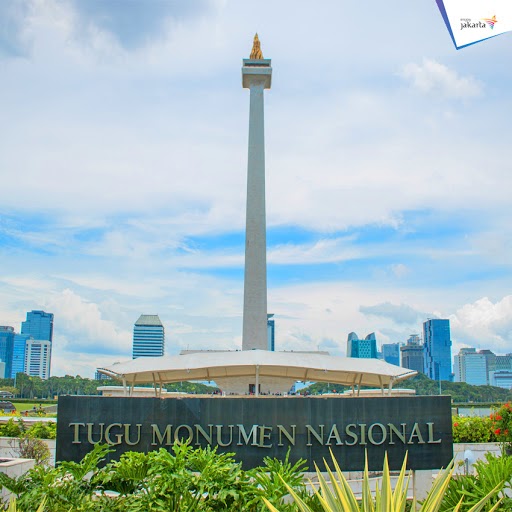
Now turning to the capital city of Jakarta, namely the National Monument known as Monas. The National Monument (Monas) is a historic building in Indonesia that was built as a memorial to commemorate the services of the previous heroes who had defended their homeland from the Dutch East Indies colonial rule. Under the orders of Indonesia's first president, Soekarno, the construction of this monument began on August 17, 1961 and opened to the public on July 12, 1975. The interesting thing about this monument is the original gold layer that surrounds the crown of fire located at the top of the monument.
Jam Gadang, Bukittinggi

Masjid Baiturrahman, Aceh

One of the historical buildings in Indonesia was built by Sultan Iskandar Muda Mahkota Alam in 1622. This mosque has become one of the centers of Islamic learning that has been visited by people from all over the world. However, after that in 1873 there was a war when the second Dutch aggression burned this mosque and it was rebuilt in 1877. Now, this mosque has become a symbol of religion, culture, strength, the struggle for nationalism of the Acehnese people and became one of the buildings that survived the Aceh Tsunami. in 2004.
Benteng Fort Rotterdam, Makassar

A historic building in Indonesia called Fort Fort Rotterdam. Known as Turtle Fort because of its shape that resembles a turtle crawling towards the ocean, this fort now houses historical objects from the Gowa-Tallo kingdom.
Address at Jalan Ujung Pandang, Bulo Gading, Kec. Ujung Pandang, this building used to function alternately from being used as a storage place for spices looted from Eastern Indonesia, a defense command headquarters, a trade office to the center of government in the eastern part of the archipelago. The interesting thing is that besides the European architectural style building, there is a room that is believed to be the exile place of Prince Diponegoro during his struggle.
Museum Fatahillah, Jakarta

Located at Jalan Taman Fatahillah No. 1, West Jakarta, Fatahilah Museum is one of the historic buildings in Indonesia which stands on a land area of 1,300 square meters. This building, which resembles the Dam Palace in Amsterdam, was the city hall of Batavia in 1707 – 1712 under orders from the Governor General of the Dutch East Indies, Joan Van Hoorn.
This historic building was used for administrative offices and the court council in its time Located at Jalan Taman Fatahillah No. 1, West Jakarta, Fatahilah Museum is one of the historic buildings in Indonesia which stands on a land area of 1,300 square meters. This building, which resembles the Dam Palace in Amsterdam, was the city hall of Batavia in 1707 – 1712 under orders from the Governor General of the Dutch East Indies, Joan Van Hoorn. This historic building was used for administrative offices and the court council in its time.
🍦 Recreation Places 🍦

💓 Definition of Recreation Places 💓
recreation places, which describes places for recreation in terms of nature, number, or other characteristics
💕 Purpose of Recreation Places 💕
describing places of recreation either in the form of the nature of the number or other characteristics so that people are interested in coming to the recreation area.
🌹 Types of Recreational Places : 🌹
based on their geographical location are divided into four namely:
🎀 Local Recreation Places 🎀

area local recreation areas are recreational trips to local places in their own city or in vacation spots close to where they live
for example : if we live in Jogja then we will go for recreation to Malioboro, Borobudur, and Prambanan
🎀 Regional Recreation Places 🎀

Regional recreation places have a wider scope for the Indonesian people. traditional recreation areas can be done by visiting holiday destinations in other provinces
For example : when we live in the West Java area, we will go to Bali or Lombok for recreation
🎀 International Recreation Places 🎀

international recreation places are recreational activities carried out with a wider scope, this is done by visiting various tourist objects abroad and even around the world.
Recreational places based on reason or purpose are divided into three, namely :
🎋 Business 🎋

this trip is dominated by the purpose of work or can be said as a business trip. business trips are carried out for things such as attending auction seminars, meetings with business partners and so on
🎋 Holiday 🎋

This trip is mostly done by the community, almost everyone does it with the aim of recreation or vacation, having fun and releasing fatigue.
This recreational tour is the best medicine to deal with stress and a lot of thoughts.
🎋 Education 🎋

Educational recreation is usually carried out by school students with the aim of adding information about certain places generally they will visit places full of learning and the positive side that can be taken.
For example is museums and the like
Recreational places based on the places visited are divided into seven namely :
🍁 Nature Recreation Places 🍁

Nature recreation places is a vacation trip to places that are truly natural such as mountains, seas, lakes, waterfalls and so on. people who love nature usually prefer nature tourism over going to other
🍁 Recreational Places Cultural 🍁

Recreation Place Cultural is a tourist trip that is intended to enjoy local cultural wisdom at the destination,
for example visiting the Karapan Sapi festival in Madura, watching traditional dance and music theater performances.
🍁 Educational Recreation Places 🍁

Educational reacreation places is a trip that is specifically intended to increase knowledge and deepen education.
Educational reacreation places is usually carried out by visiting a fish farming garden and visiting certain animal breeding places.
🍁 Marine Recreation Places 🍁

Marine Reacreation Places means travel with the aim of enjoying the beauty of the sea either on the surface or in the sea. In particular, marine tourism spots do facilitate to enjoy the beauty of the sea more intensively, such as snorkeling and surfing.
🍁 Historical Recreation Places 🍁

Historical reacreation places aims to study the course of history and all the events that occurred in the past.
🍁 Culinary Reacreation Places 🍁

Trip to try and taste all kinds of food in a certain place, all typical foods and drinks will be tried one by one by tourists.
🍁 Religious Recreation Places 🍁

Religious Reacreation Places is a tourist trip to certain places that have a close relationship with the heart and soul. This trip will make tourists feel a journey of the heart and draw closer to God.
For example, a trip on the way to the Great Mosque, a trip to the graves of religious intermediaries.
🌺 Example About Recreation Places 🌺
VISITING NIAGARA FALLS

The first to enjoy in Niagara Falls is Cave of the Winds. This attraction helps people get closer to the falls and go face-to-face with the pounding waters of the Falls. People can get soaked on the Hurricane Deck where they are just feet from the thundering waters. Waterproof clothing and sandals are provided. A trip at night when the Falls are illuminated in a rainbow of color is really amazing.
The second charm is Maid of the Mist Boat Tour. It is a world-famous scenic boat tour of the American and Canadian Falls for about a half-hour ride. People may access the tour via the Observation Tower elevator at Prospect Point in the state park. The boat operates mid-May until late October.
The next to visit in Niagara Falls is Niagara Adventure Theater. Here tourists may enjoy the most powerful and involving film experience that brings reality to life on a 45 foot screen. Audience members are given the priviledge to discover the thundering Falls from a completely new and exhilarating perspective, and plunge over them. The theater shows hourly and free multi-language headsets are made available.
Niagara Science Museum is another place to visit. It is a sanctuary for the preservation and appreciation of old science instruments and philosophical apparatus.
The fifth point of interest is Niagara’s Wax Museum of History. Here, life-size wax figures portraying dramatic history of Niagara Falls are presented to guests. They can see Fort Niagara Scene, Indian Village, old store, blacksmith and barber shop scenes and how electricity is made. Wax figures of Julia Roberts, Princess Diana and many more are displayed here, too.
Finally, people can also enjoy Rainbow Air Helicopter Tours above and around the American and Canadian Falls. The tours start from downtown, next to the entrance to the Rainbow Bridge, and open from 9am to dusk when weather permits. The tours operate every day from second weekend in May until October 31st.
The Niagara Falls are renowned both for their beauty and as a valuable source of hydroelectric power. Managing the balance between recreational, commercial, and industrial uses has been a challenge for the stewards of the falls since the 19th century.


👇 My Video About Descriptive Text Part 3 👇
That's all the explanation from my blog. hopefully it can be understood and get benefits for readers. That is all and thank you. 🙋 🙋 🙋


Komentar
Posting Komentar